-

- Engineering Solutions
- CFD
CFD
CFD Technology (Hydrodynamic Simulation)
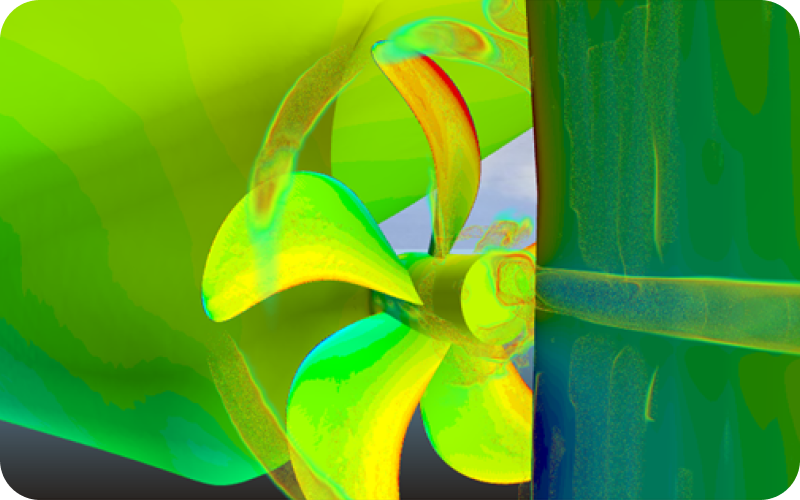
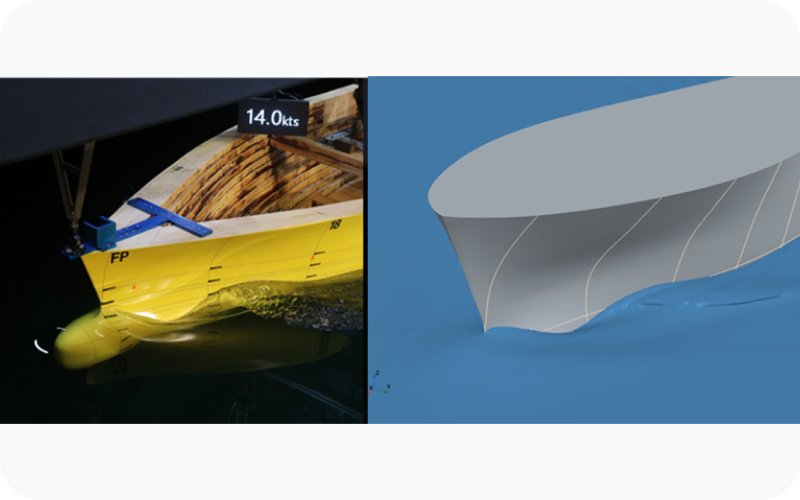
High-fidelity simulation for accurate propulsion performanceSILLAMETAL’s CFD Technology enables precise prediction of propulsion performance by simulating full-scale hull, propeller, rudder, and ESD interaction under real sea conditions.
Designed specifically for marine propulsion, our CFD framework provides reliable insights for both newbuild and retrofit projects—covering resistance, cavitation, pressure pulses, and wake distribution to support confident decision-making and optimized designs before manufacturing.
Key Features
- Full-scale viscous flow simulation
- Hull–propeller–rudder–ESD interaction analysis
- Cavitation and pressure pulse prediction
- Open-water and self-propulsion simulation
- Verified methodology using HPC and STAR-CCM+
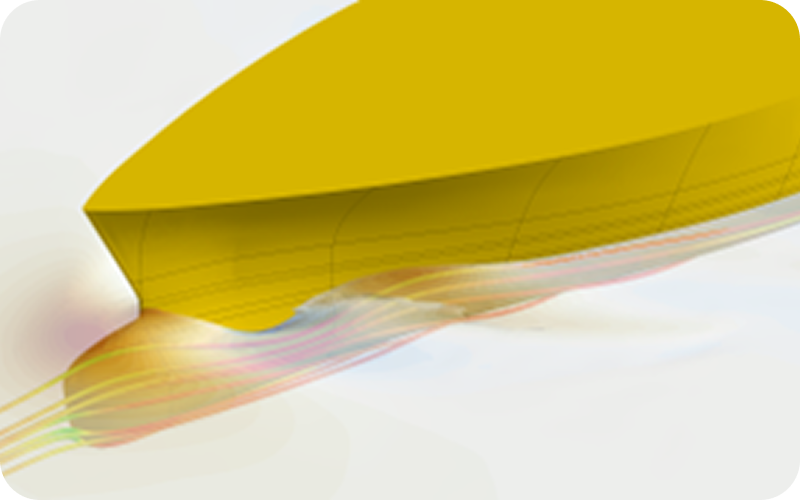
Resistance
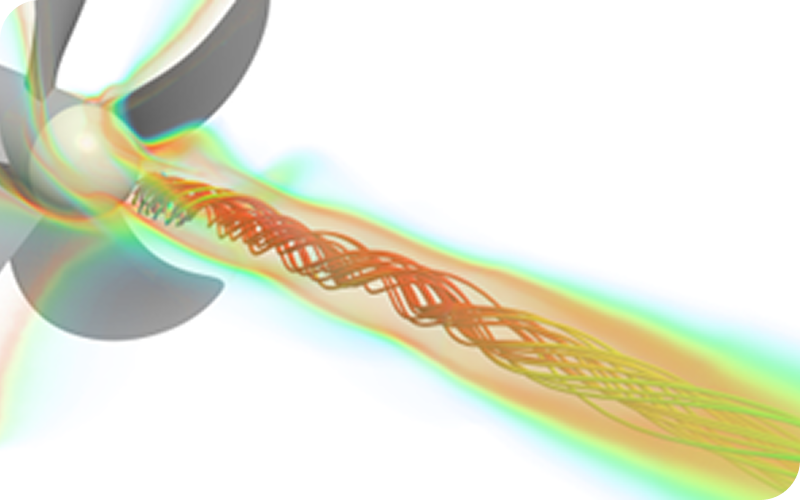
POW (Propeller Open Water)

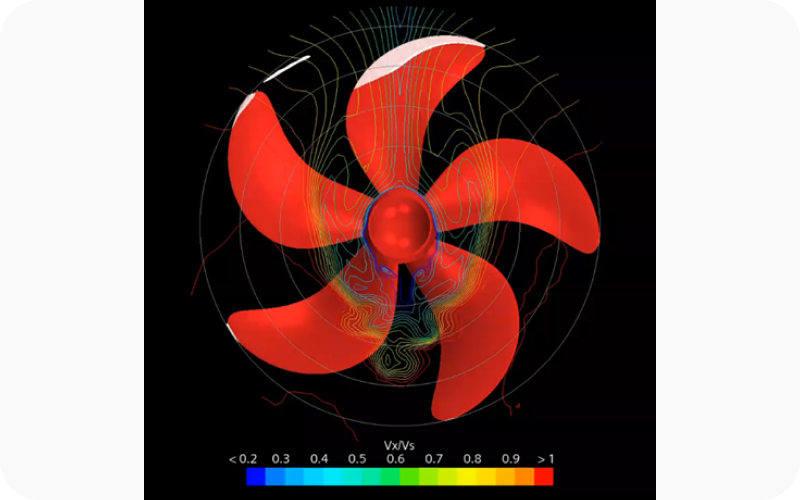
Self-Propulsion

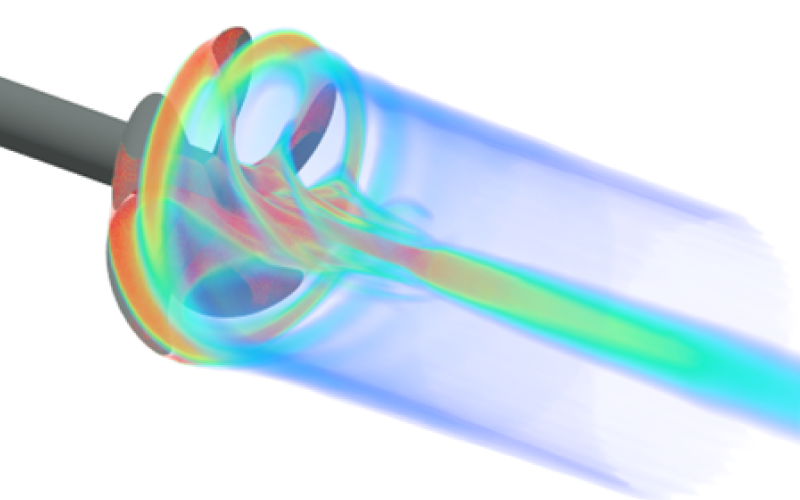
Cavitation
부산광역시 강서구 녹산산단17로14번길 34(송정동)
- TEL:+82-51-831-5991~8
- l
- FAX:+82-51-831-5990
- l
- E-mail:sales@sillametal.com
COPYRIGHT(C) 2013 BY SILLA METAL CO.,LTD. ALL RIGHTS RESERVED.